What distinguishes a baron from a viscount in the elaborate tapestry of British nobility? These titles, woven into the fabric of the UK peerage system, represent distinct ranks within a centuries-old hierarchy, each with its own unique history and significance.
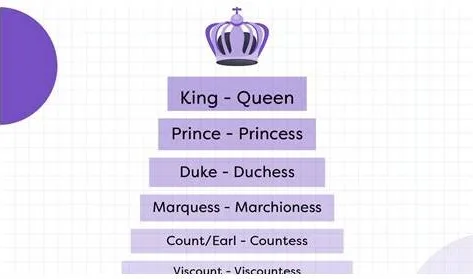
The British peerage system, a complex and fascinating structure, has evolved over centuries, shaped by political power plays, military triumphs, and shifting social landscapes. Understanding the nuances of titles like baron and viscount offers a glimpse into this intricate world, where tradition and lineage intertwine. At its core, the peerage comprises five principal ranks: duke, marquess, earl, viscount, and baron. These titles, descending in order of precedence, represent a carefully graded hierarchy of nobility, with each rank carrying its own distinct privileges and responsibilities. Barons, occupying the lowest rung of this aristocratic ladder, historically held sway over smaller manors granted by the monarch. This position, while less prestigious than the higher ranks, still afforded barons the crucial right to attend Parliament as lords, granting them a voice in the affairs of the realm. Viscounts, positioned just above barons, historically served as deputies to counts, their title derived from the Latin "vicecomes." This role, initially administrative in nature, eventually evolved into a hereditary title, its associated duties fading into the backdrop of tradition. The distinction between these two ranks, while subtle, reflects the intricate gradations of power and prestige within the British aristocracy.
Title
Baron and Viscount (General Information)
Description
These titles represent two of the five ranks within the British peerage system, a hierarchical structure of nobility. A Baron is the lowest rank, historically governing smaller manors and holding the right to attend Parliament. A Viscount ranks directly above a Baron, originally serving as a deputy to a Count.
Origin
The term "Baron" has its roots in feudal systems, denoting a tenant-in-chief holding land directly from the monarch. "Viscount," derived from the Latin "vicecomes," signified a deputy or vice to a count.
Historical Context
Both titles evolved alongside the British monarchy, shaped by historical events, political changes, and evolving social structures.
Modern Usage
While retaining their historical significance, these titles today primarily denote hereditary honors, carrying less direct political power than in previous eras. Holders are often addressed as "Lord" or "Lady."
Reference
UK Parliament - House of Lords FAQs
The peerage system, with its five distinct ranks, provides a framework for understanding the hierarchical structure of British nobility. The highest rank, Duke, derived from the Latin "dux" meaning leader, originally signified sovereign status. William the Conqueror, Duke of Normandy before his conquest of England, exemplifies this early usage. It wasnt until 1337 that the title was formally adopted as a peerage title, bestowed by King Edward III upon his son as the Duke of Cornwall.
The title of Marquess, introduced in 1385, ranks second only to Duke. Despite its historical significance, it remains a relatively uncommon title within the British peerage. Earls, ranking below Marquesses but above Viscounts, hold a title with ancient origins, tracing back to the Saxon ealdormen who governed shires. The title of Count, prevalent in other European systems, is equivalent to the British Earl.
Viscounts, the fourth rank in the peerage, hold a position below Earl and above Baron. Historically, they acted as deputies to Counts, reflecting the Latin origin of their title, "vicecomes," meaning vice-count. John Beaumont's elevation to Viscount Beaumont in 1440 marked the first recorded instance of this title within the British peerage. Interestingly, the role of Viscount was eventually supplanted by bailiffs and provosts, further highlighting the evolving nature of administrative positions within the kingdom.
The title of Baron represents the lowest rank within the British peerage, historically associated with the governance of smaller manors. Barons held the right to attend Parliament as Lords, a privilege signifying their status and influence within the realm. Richard Rich's elevation to Baron Rich in 1547 exemplifies the use of surnames as titles, a practice distinct from territorial designations. These titles, often granted through a "patent" authenticated with the Great Seal, represent a formal recognition of nobility and often came with inherited lands and privileges. The creation of life peers, a more recent development, allows individuals to hold peerage titles for their lifetime without the title being passed down to heirs.
The creation of peerage titles often reflected significant accomplishments, such as Edward Russell's elevation to Viscount Barfleur in 1697 following a naval victory. This precedent has been followed repeatedly, linking peerage titles to military achievements and national service. Until 1999, peers held the right to sit in the House of Lords, the upper chamber of the British Parliament, and were exempt from jury duty. These privileges underscored their unique position within British society. While peerages were initially granted as rewards for military service, by the 18th century, they became a means of recognizing social status and political influence, further evolving the significance of these titles.
The British peerage system, with its complex history and nuanced distinctions between ranks, offers a captivating glimpse into the evolution of power, privilege, and social hierarchy in the United Kingdom. Understanding the intricacies of titles like Baron and Viscount adds depth to our appreciation of this fascinating historical tapestry. From the battlefield to the halls of Parliament, these titles have played a significant role in shaping British history, and their continued existence offers a tangible link to the nation's rich and complex past.
Related: ["Learn the history and meaning of the titles viscount and baron in the uk peerage system.","The peerage comprises five ranks, which are, in descending order, duke, marquess, earl, viscount, and baron.","Below the peerage are honorary ranks that include baronet and knight, two classes that bear similarities to the nobility but which are generally not regarded as such.","The five titles of the peerage, in descending order of precedence, or rank, are:","Duke, marquess, earl, viscount, baron.","The highest rank of the peerage, duke, is the most exclusive.","The rank of viscount was introduced in england in 1440, when king henry vi gave john, lord beaumont the title of viscount beaumont, giving him precedence over all barons.","Today, there are 115 viscounts in the british peerage.","A viscount is the fourth most significant rank in the british peerage hierarchy, directly below earl and directly above a baron.","Recent statistics reveal the existence of 270 viscountcies across the british nobility network.","Lady is used when referring to women who hold certain titles:","Marchioness, countess, viscountess, or baroness.","A viscount is considered a rank below an earl and above a baron, traditionally a deputy to a count.","The term originates from the latin vicecomes, denoting a deputy or vice to a count.","In contrast, a count is a noble title equivalent to an earl in the united kingdom, ranking above a viscount.","It was the fourth degree of rank in british aristocracy and fourth degree of dignity in the british peerage.","A viscount is \u201cright honourable\u201d and is addressed \u201cmy lord\u201d.","Peerage, body of peers or titled nobility in britain.","The five ranks of british nobility, in descending order, are duke, marquess, earl (see count), viscount, and baron.","Until 1999, peers were entitled to sit in the house of lords and exempted from jury duty.","Titles may be hereditary or granted for","Viscount is a coordinate term of baron.","As nouns the difference between baron and viscount is that baron is the male ruler of a barony while viscount is a member of the peerage above a baron but below a count or earl.","As proper nouns the difference between baron and viscount is that baron is {{surname} while viscount is a village in","The peerage was divided into five ranks;","Duke, marquess, earl, viscount, and baron.","The peerage system became more formalized over time.","By the 18th century, peerages were no longer granted as a reward for military service, but instead were granted as a way to recognize social status and political influence.","A viscount is a noble rank in the british aristocracy, positioned between an earl and a baron, indicating a specific level of nobility, whereas the term lord is more versatile, used as a courtesy title for marquesses, earls, viscounts, barons, and sometimes even baronets and knights in the uk.","The various ranks and titles of the aristocratic hierarchy are a fascinating echelon of the social class system.","The ranking system that we know today is the result of many centuries of development, with influences from many arenas over its generations of evolution.","Geographical factors, national politics, world events and the success of a country\u2019s [\u2026]","A baron or a \u201cpeerage\u201d was created through a \u201cpatent\u201d which was a legal document authenticated with the great seal of the realm\/great seal of the united kingdom\/seal of majesty.","Viscount, a european title of nobility, ranking immediately below a count, or earl.","It is one of the five ranks of british nobility and peerage, which, in descending order, are duke, marquess, earl, viscount, and baron.","In the carolingian period of european history, the vicecomites, or missi","Yet the barons and lords of history are some of the most ancient of all noble titles.","A title you won't have seen in ck2 which is part of the british system is viscount.","However it rapidly evolved to become hereditary, and not have any specific duties associated with it.","It outranks baron, but sits below earl.","A marquess is the second in command, right underneath duke, but above, earl, viscount and baron.","The title was introduced back in 1385 but it's not exactly a popular one.","We would like to show you a description here but the site won\u2019t allow us.","The viscount was eventually replaced by bailiffs, and provosts.","[6] as a rank of the british peerage, it was first recorded in 1440, when john beaumont was created viscount beaumont by king henry vi.","The baron de ros [e] 1264 the baron le despencer:","1264 viscount falmouth in the peerage of great britain:","1283 baron segrave and baron stourton in peerage of england the baron hastings:","1295 baron mowbray and baron stourton in peerage of england the baron clinton:","William the conqueror himself was the duke of normandy, and he brought the title over the channel.","It wasn't until edward iii made his son the duke of cornwall and established a duchy of cornwall in 1337, however, that the title of duke became part of the british peerage.","The fourth degree of rank and dignity in the british peerage.","Introduced by henry vi in 1440.","A viscount is a \u201cright honorable\u201d and is styled \u201cmy lord.\u201d all his sons and daughters are \u201chonorable.\u201d the coronet has a row of sixteen small pearls set on the circlet.","The lowest rank in the british peerage.","Later titles used a wide variety of names, including surname (unrelated to territorial designation indicated by the french particule de), for example in 1547 richard rich, 1st baron rich.","Edward russell in 1697 was created viscount barfleur after a naval victory in foreign territory, setting a precedent which has been repeatedly followed.","The title of viscount (below an earl but above a baron) was created in 1440 when john beaumont was created viscount beaumont by king henry vi.","This remained an uncommon title.","The most powerful leader of the welsh realms was called the prince of wales (by the english) from about 1165.","(tywysog cymru, in welsh, which means leader of the welch","Duke is the highest of the five ranks of the peerage, standing above the ranks of marquess, earl, viscount and baron.","The title duke is derived from the latin dux, a leader.","The title originally signified sovereign status, for example william the conqueror was duke of normandy, and it was not adopted as a peerage title until 1337, when king edward ill conferred the dukedom of cornwall upon his","A viscount is the fourth most significant rank in the british peerage hierarchy, directly below earl and directly above a baron.","Recent statistics reveal the existence of 270 viscountcies across the british nobility network.","The word viscount comes from the latin vicecomes, with the wife of a viscount being titled as a viscountess."] | ["Ra is an ancient egyptian deity, known primarily as the god of the sun and the creator of life.","As one of the most significant gods in the egyptian pantheon, ra\u2019s influence can be seen throughout various aspects of ancient egyptian culture, religion, and mythology.","Ra ruled in all parts of the created world:","The sky, the earth, and the underworld.","He was believed to have ruled as the first pharaoh of ancient egypt.","Ra (also given as re) is the sun god of ancient egypt.","Learn about ra, the ancient egyptian god who created the world and ruled the heavens.","Discover his appearance, mythology, worship, symbols and his connection to the eye of ra.","As the creator god and father of all other egyptian gods, ra was the chief deity in ancient egypt.","Ra has, at different times, been called \u201cthe king of the gods,\u201d the \u201csky god,\u201d and the \u201ccontroller of the sun.\u201d ra ruled over the sky, earth, and underworld.","10 facts about the egyptian god ra including his importance in ancient egypt;","And myths associated with him.","Perhaps the most famous of the ancient egyptian gods, ra (or re) was a later addition to the egyptian pantheon who became one of the most important gods overall.","He was the personification of the sun and the sky, and he created humanity from his sweat and tears.","The gods of ancient egypt are definitely fascinating!","Famous in their time and worshipped even by some pagan cults today, their powers and complex mythology remain fascinating.","They were taken very seriously by the ancient egyptian people, and they definitely had a complicated family life!","The function of this ancient god is described as being the god of creation and the sun :","He was associated with the ennead, the name given to the nine original, most important, egyptian gods and goddesses of the cosmogony of heliopolis (the birthplace of the gods)","Ra in ancient egyptian mythology.","As one of the most powerful and revered deities in ancient egypt, ra played an integral role in their mythology.","Ancient egyptians believed that ra, the god of the sun, was the creator and giver of life.","Ra\u2019s daily journey across the sky symbolizes the cycle of birth, death, and rebirth.","At one point in egyptian history, he was called the king of the gods.","Amun (also spelled amon, amoun, amen, and sometimes imen, egyptian yamanu) was the name of a deity, in egyptian mythology, who became one of the most important deities in ancient egypt.","In later years, bined with horus","Ra is one of the most significant gods in ancient egyptian mythology.","As the god of the sun, he was considered the creator of all things and the bringer of life.","Ra\u2019s worship dates back to the second dynasty of ancient egypt, and he remained a vital part of the egyptian pantheon throughout countless dynasties.","Amun was one of the most significant gods in ancient egyptian mythology.","Amun held a prominent place in ancient egyptian mythology and religion.","He was considered a major deity, and his worship spanned several centuries.","The name \u201camun\u201d is derived from the ancient egyptian word \u201cimn,\u201d which means \u201chidden\u201d or \u201cinvisible.\u201d","Ra\u2019s symbols and varied depictions reflect his multifaceted role in ancient egyptian religion as a god of the sun, life, and power.","From the wadjet sun disk and the ankh to his many forms and composite identities, ra\u2019s iconography captures the essence of creation, authority, and the eternal cycle of rebirth, underscoring his central place","Originally most solar gods had falcon form and were assimilated to horus.by the 4th dynasty (c.","Aspects of other gods influenced re himself;","Top 10 eye of ra facts;","To the ancient egyptians, ra or \u201cray\u201d symbolises sunshine, heat and fertile growth.","Given the role the sun plays in nurturing crops and in egypt\u2019s desert climate, was a natural progression for the ancient egyptians to see him in this manifestation as the creator of life.","The key symbols associated with ra include the sun disk, the falcon, and the ankh, each representing different aspects of his divine power and influence in egyptian mythology.","How is ra depicted in ancient egyptian art?","At the heart of the ancient civilization of egypt lies the enigmatic figure of ra, the sun god, whose radiance illuminated both the physical world and the spiritual realm.","Ra was the very embodiment of the sun itself, symbolizing life, light, and the eternal cycle of creation and renewal.as the central figure in egyptian mythology, ra held a position of unparalleled importance, revered by","In ancient egyptian mythology, ra (also known as re) was worshiped as the god of the sun, creation, law, light, order and, fertility and growth.","It was believed that he rode on his sun barge (atet) through the underworld in order to bring the sun to the egyptians.","Due to the crucial importance of the sun, ra was venerated as the king","In ancient egyptian mythology, ra was often considered the most powerful god.","As the sun god, he held a central role in the egyptian pantheon and was seen as the ruler of both the celestial and earthly realms.","However, the perception of deities' power varied across different periods and regions within ancient egypt.","He was said to lie just below the horizon line, trying to devour ra as ra traveled through the underworld.","[44] aten aten was the focus of atenism, the religious system established in ancient egypt by the eighteenth dynasty pharaoh akhenaten.","Egyptian gods discover more about egyptian gods.","Click on a god's name or symbol name for picture and information or story.","78 egyptian gods this site has great images of gods as well as interesting facts.","Click on the name of the god you want on the left hand side of the page.","What was ra\u2019s role in ancient egyptian mythology?","Ra was the god of the sun, creation, and the cycle of life and death.","He was believed to have created the world and all living things, and was responsible for the rising and setting of the sun.","Ra was also associated with kingship, and pharaohs often claimed to be the descendants of ra.","Ra remained the principal god throughout the history of ancient egypt, and egyptian kings claimed to be the sons of ra in order to link themselves to him.","In ancient art, the god is commonly shown with the head of a falcon wearing a shining solar disk on its head.","Ra is high up in the gods\u2019 hierarchy.","The egyptian god ra, sometimes referred to as re, was one of the most revered deities in the mythology of ancient egypt.","The god ra was the sun deity in ancient egypt.","The sun symbolized light, warmth, and growth to the ancient egyptians.","This made ra one of the most important egyptian deities, and he was considered the ruler of all creation.","The worship of ra rose to prominence in the fifth dynasty in the 25th and 24th centuries bc.","Ra, the egyptian god of the sun, reigned as the king of the gods and creator deity for much of ancient egypt's history.","Central to religious life, ra symbolized order, creation, and rebirth, merging with other deities like horus and amun to form powerful hybrid gods.","Heliopolis, his cult center, featured the sacred ish","He was gobbled up every night by the sky goddess nut, then reborn every morning at sunrise.","Later in egyptian history, ra was merged with the god of wind, amun, making him the most powerful of all the egyptian gods."] | ["Crown family values are more than just traditions;","They're the backbone of cultures across the globe.","From europe to asia, every monarchy carries its own set of principles that shape their legacy.","These values aren't just rules;","They're the essence of identity, history, and community.","Let\u2019s delve into the fascinating ways family roles vary across different cultures.","Before we explore specific examples, it\u2019s important to acknowledge the factors influencing family roles.","The future of crown family cultural influence.","With new generations of royals taking the reins, we can expect fresh perspectives and innovative approaches to tradition.","The article explores the differences in values and attitudes towards family across different cultures, focusing on the role of spouses (ethnic and religious) in comparing these values.","Family values and structural norms do vary from one culture to the next, creating distinct differences in how various relationships are viewed, the normalcy of specific living arrangements, and more.","Understanding the nuances is critical for grasping an essential part of a person\u2019s culture.","African family culture is guided by a strong emphasis on communal values, respect for traditions, and the fulfilment of societal roles.","Here\u2019s a closer look at how these principles influence attitudes towards marriage and parenting across the continent.","Family values are an important aspect of many cultures, influencing the way individuals perceive societal norms, gender roles, and overall ethical standards.","The evolution of family values through time and across different cultures has been shaped by various factors, including religion, media, politics, and globalization.","The indicators highlighting the client\u2019s school or work environment can, in conjunction with the additional indicators in this domain, give the practitioner a sense of whether or not the client has opportunities at work or school to speak y, whether or not the client is electively speaking or not speaking y, and may hint at other constraints on language usage in the client\u2019s environment.","Our world is made up of people with varying cultures.","In this class students will explore a specific culture outside of the united states with special attention given to the history, politics and religion of the culture along with issues of race, class and family relationships that are unique to it.","Values often suggest how people should behave, but they don\u2019t accurately reflect how people actually do behave.","Values portray an ideal culture, the standards society would like to embrace and live up to.","But ideal culture differs from real culture, the way society actually is, based on what occurs and exists.","In an ideal culture, there would","Through these succinct sayings, we gain access to a treasure trove of insights that span generations and geographies.","Diversity and culture can be defined in many different ways in various documents by different cultural groups and organizations.","For consistency, this resource will draw on the definitions found in the code and standards which states:","Along with the family values and ceremonies, the islanders have very definitive beliefs.","One belief in particular is marking themselves with tattoos.","Tattoos are a unique cultural tradition and are done in specific ways because each tattoo means something unique and they are highly individualized.","Understanding crown family values across cultures.","First things first\u2014what exactly are crown family values?","Think of them as the moral compass guiding royal families.","These values often revolve around duty, honor, respect, and service to the nation.","They vary widely depending on the culture.","The different types of family in cultures throughout the world and also how family types are related to cultural features of societies.","The definitions and the structure and functions of family;","The different family types and relationships with kin;","The different types of crowns and their significance add to the rich tapestry of crown symbolism, showcasing the diversity and intricacies of human culture.","As we continue to witness the evolution of crown symbolism and its interpretations in modern times, it is clear that crowns will remain a powerful visual representation of power, authority","Understanding changes in family values and family values in different cultures is attracting research in family studies.","In the modern era family values have been changed in the legislative domain as well as attitudinally, although different cultures hold to different family values.","Family culture is defined as the shared values, beliefs, and practices of a family, shaping the way family members interact with each other and the world around them.","It includes the norms and shared expectations for behavior that emerge with the experience of being a member of a family.","This difference in cultural values came to light when people reacted to photos of former president george w.","Bush holding hands with the crown prince of saudi arabia in 2005.","This article uncovers their historical significance as emblems of power and authority, tracing origins from ancient egypt to contemporary society.","Learn how crowns represent royal status, divine right, and personal achievement in various contexts, including beauty pageants and media.","Family culture is the shared meaning and expectations for behavior that emerge with the experience of being a member of a family.","This can include the norms and shared experiences of a family who live together and extended or remote family that live apart.","Different cultures assign unique meanings to crowns, with examples such as the laurel crown for military victory in rome and divine authority in hinduism.","Crowns have deep historical roots, serving as symbols of leadership and divine connection across ancient civilizations and monarchies."]